
Gender Gap in Life Expectancy: Oceania, 2023
UN WPP 2024 estimates for 2023. Covers 23 countries and areas; world and regional aggregates are not ranked.
Oceania average 4.6 years (UN aggregate, population-weighted)
| Rank | Country / area | Gap (years) |
|---|---|---|
| 1 |
 Guam |
8.0 |
| 2 |
 Micronesia |
7.6 |
| 3 |
 Cook Islands |
7.2 |
| 4 |
 Tonga |
7.0 |
| 5 |
 Tuvalu |
6.9 |
| 6 |
 American Samoa |
5.6 |
| 7 |
 Niue |
5.3 |
| 7 |
 Papua New Guinea |
5.3 |
| 9 |
 New Caledonia |
5.0 |
| 10 |
 French Polynesia |
4.7 |
| 11 |
 Palau |
4.6 |
| 12 |
 Vanuatu |
4.5 |
| 13 |
 Marshall Islands |
4.4 |
| 14 |
 Fiji |
4.0 |
| 14 |
 Tokelau |
4.0 |
| 16 |
 Samoa |
3.8 |
| 17 |
 Nauru |
3.7 |
| 18 |
 Australia |
3.6 |
| 18 |
 Kiribati |
3.6 |
| 18 |
 Northern Mariana Islands |
3.6 |
| 21 |
 New Zealand |
3.4 |
| 22 |
 Solomon Islands |
2.8 |
| 23 |
 Wallis and Futuna |
2.0 |
The gap is female minus male life expectancy. Ranks are based on values rounded to one decimal place.
Why women and men differ in life expectancy
In 2023, women outlived men in all 237 countries and areas; the world gap was 5.3 years (4.0 years in 1950). The size of the gap varies widely, and it is thought to result from several factors acting together. These are the factors most commonly cited.
- Biology: female hormones (oestrogen) are thought to help protect against heart and blood-vessel disease, and immune responses differ. These alone are not thought to explain most of the gap.
- Smoking and drinking: in many countries men smoke and drink more, which is linked to more deaths from lung cancer, heart disease and liver disease.
- Accidents, violence and suicide: deaths from road and workplace accidents, violence and suicide are more common among men, especially younger men.
- Use of health care: men are often reported to seek care later when they feel unwell.
- Conflict: deaths in fighting fall mostly on men, so the gap can widen in countries and areas affected by conflict.
Where the gap is large or small
- The gap is large in Eastern Europe and former Soviet countries, where men's drinking and smoking and cardiovascular disease are cited as the main factors.
- Some countries with a small gap still have high risks around childbirth, which is thought to be one reason deaths among women remain high.
- In many high-income countries the gap has narrowed, partly because fewer men smoke (United Kingdom 6.3 → 3.8 years, United States 7.6 → 5.0 years; 1970 to the latest year).
Largest gaps (2023)
 Ukraine 13.3
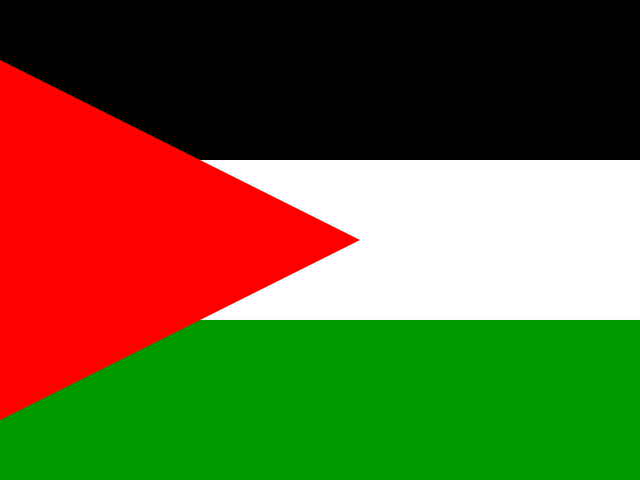 Palestine 11.8
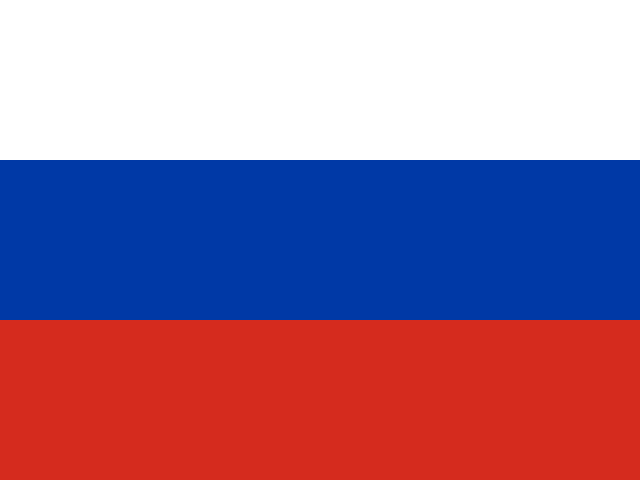 Russia 11.8
 U.S. Virgin Islands 10.8
 Belarus 9.5
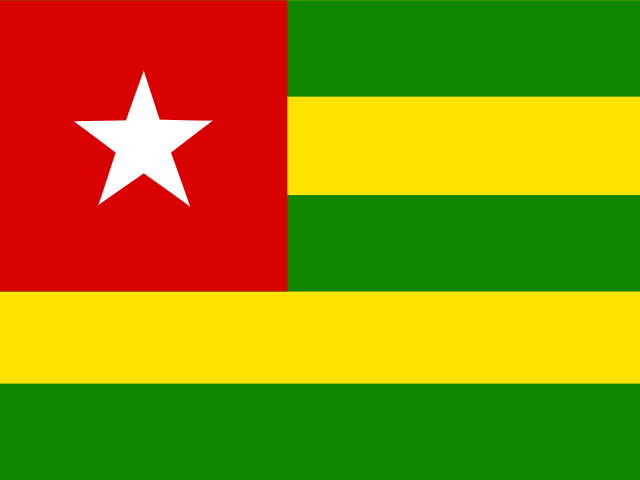 Togo
 Nigeria
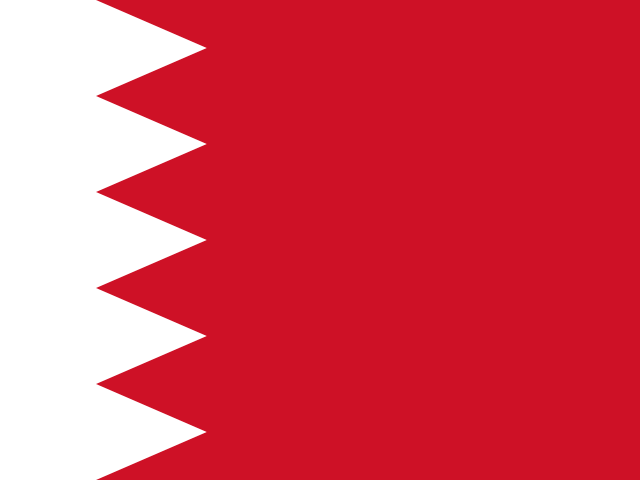 Bahrain
 Qatar
 Niger
Values are female minus male life expectancy, in years. Source: UN World Population Prospects
World map (2023, Gender gap)
- Below 4
- 4–5
- 5–6
- 6–7
- 7–8
- 8 and above
- No data
Cite or download
Source: United Nations, Department of Economic and Social Affairs, Population Division (2024). World Population Prospects 2024 (CC BY 3.0 IGO). Adapted by Lifespan Atlas.